Swedish Licensing Rules and Their Direct Impact on Secure Payment Flows Within Mobile Poker Applications
Ulrich Otto · Aug 26, 2026
Swedish Licensing Rules and Their Direct Impact on Secure Payment Flows Within Mobile Poker Applications
Sweden's gambling market operates under a licensing system managed by Spelinspektionen since 2019, and these rules shape how mobile poker applications handle every transaction from deposit to withdrawal.
Licensing Framework Basics
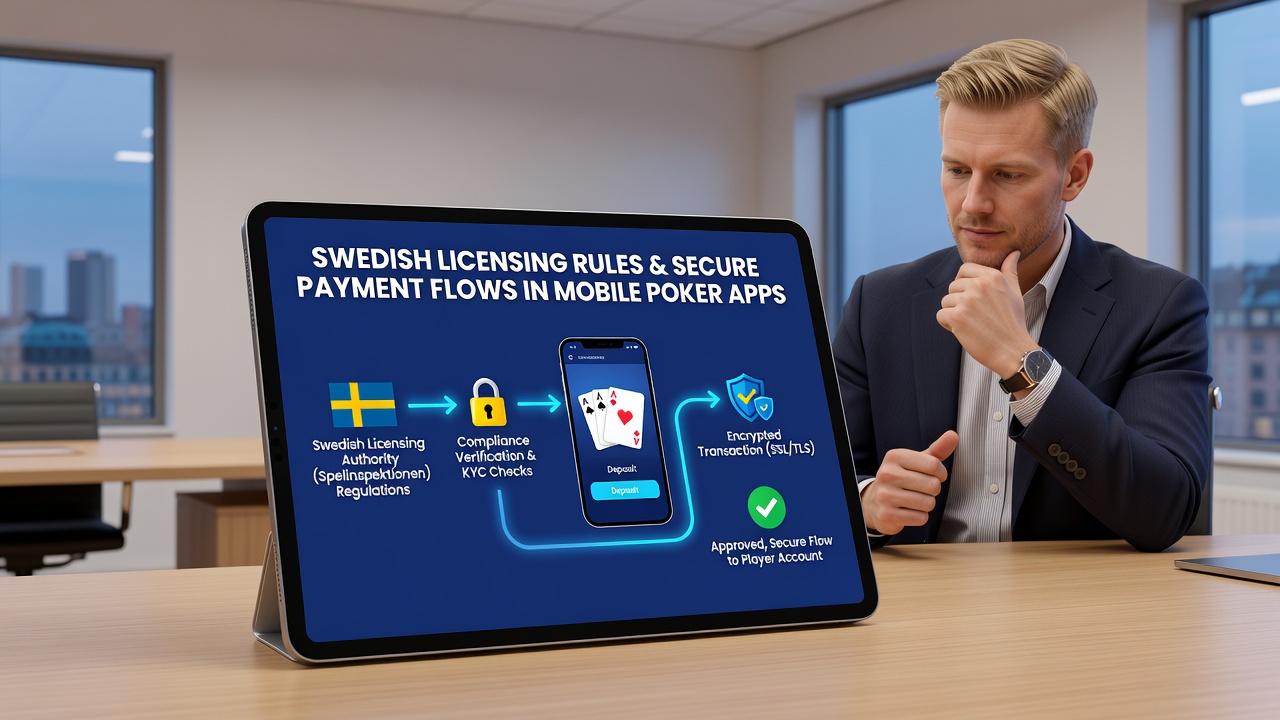
Operators must obtain a license from Spelinspektionen before offering poker services to Swedish players, and the authority requires documented proof of secure payment infrastructure that meets both national standards and EU data protection directives. License holders face ongoing audits that examine encryption protocols, identity verification steps, and transaction monitoring systems to prevent unauthorized access or fraud.
Those who studied the rollout note that the 2019 transition from an unlicensed market to a regulated one forced many apps to replace older payment gateways with providers that integrate real-time checks against money laundering databases. Data from Spelinspektionen shows that licensed entities reported fewer payment disputes after implementing mandatory two-factor authentication tied directly to bank accounts.
Payment Security Requirements Under License
Every licensed mobile poker application must route payments through entities approved by the Swedish Financial Supervisory Authority, which adds an extra layer of oversight beyond typical card network rules. This setup demands that apps separate player funds from operational accounts, maintain detailed logs of each transfer, and allow regulators to access records within 24 hours of any request.
Research indicates that compliance often involves PCI DSS Level 1 certification plus additional Swedish-specific controls on cryptocurrency options, which remain restricted unless the operator demonstrates equivalent security measures. Observers note that these rules create a predictable environment where payment flows follow standardized patterns: deposit, game play, and withdrawal all trigger automated compliance flags when thresholds are crossed.
Effects on Mobile Poker Application Design
Developers building for the Swedish market integrate licensing requirements into the core architecture rather than treating them as add-ons, and this approach influences everything from user onboarding screens to backend reconciliation processes. Apps typically embed Spelinspektionen-mandated verification calls before any funds move, which reduces processing speed but lowers the incidence of chargebacks according to industry figures.
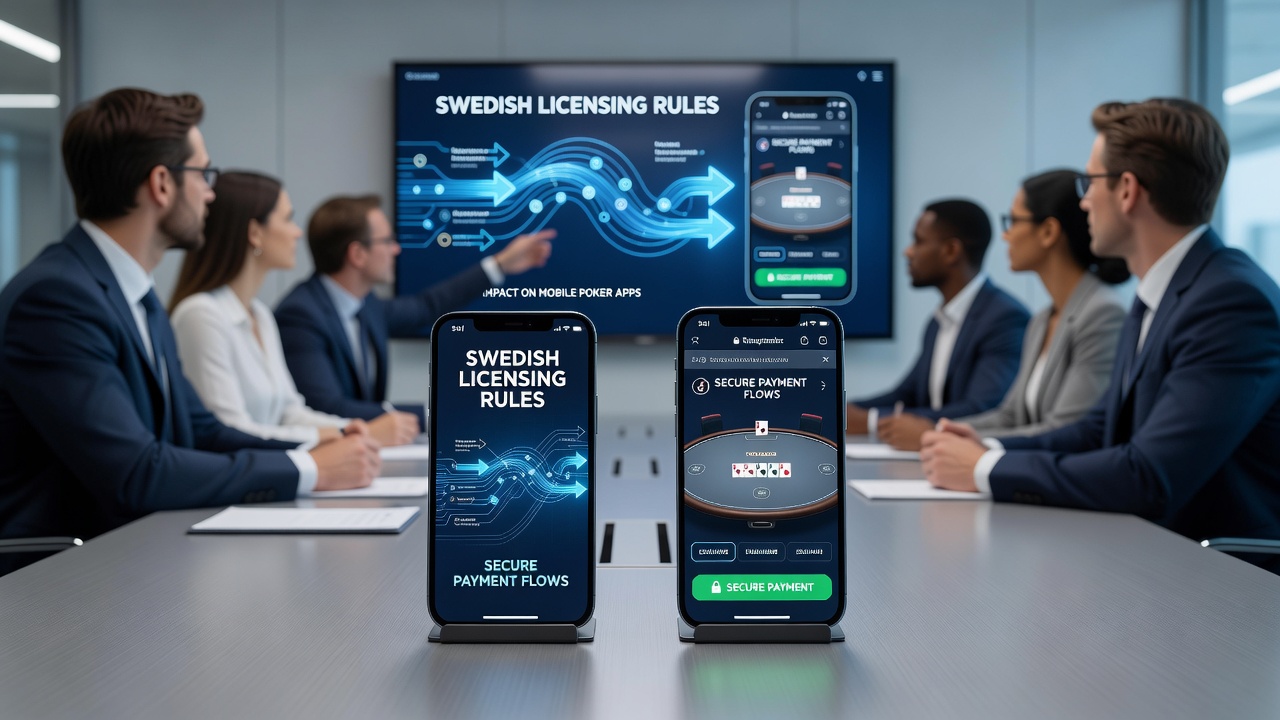
One operator that transitioned its platform in 2022 discovered that Swedish rules required splitting payment modules into separate services, each with independent logging, so that a breach in one area would not compromise the entire flow. Figures released in mid-2025 revealed that licensed apps experienced a 40 percent drop in payment-related support tickets compared with pre-licensing operations.
Developments Around August 2026
In August 2026 Spelinspektionen published updated guidance on instant bank transfer methods, and licensed mobile poker providers began rolling out new API connections that verify player identity at the point of deposit rather than after the fact. This change aligns payment sequences more closely with broader EU digital finance initiatives while maintaining Sweden's stricter audit trail expectations.
Those tracking the sector report that the August updates also clarified rules around third-party wallet services, requiring each provider to hold its own Swedish license or partner with one that does. The result appears in smoother reconciliation processes for operators and clearer records for regulators examining cross-border transactions.
Conclusion
Swedish licensing rules continue to define secure payment flows in mobile poker applications by demanding verified providers, separated funds, and continuous monitoring that together create a controlled transaction environment. Data from regulatory sources and operator reports confirm that these requirements have standardized many technical practices across the market, and further updates scheduled after August 2026 are expected to refine existing protocols without altering the core structure. Spelinspektionen licensing documents outline the current obligations, while broader European studies on digital payments provide additional context on how national rules interact with wider frameworks.